Introduction: expanding domain risk beyond the main brand domain
For European brands operating in multilingual markets, the risk surface is no longer limited to a single website. Typosquatted domains, lookalike sites, rogue subdomains, and shadow footprints across country-code and brand TLDs are now a routine part of the threat landscape. In the Netherlands and across the EU, attackers exploit language nuances, local domains, and multilingual user behavior to impersonate brands, harvest credentials, or redirect customers to counterfeit experiences. The result is not only direct financial loss but also erosion of trust, partner risk, and regulatory scrutiny. The modern defender must move from a district-by-district approach to a language-aware, 24/7 governance model that continuously discovers, assesses, and remediates risk across the entire brand namespace. This article presents a practical, unique angle: a 7‑stage, language-aware domain surface protection framework tailored for Dutch and European markets. It blends the best of threat intelligence, DNS hygiene, and real-time takedown operations with the realities of cross-border enforcement and local language contexts. Note: the European security ecosystem increasingly emphasizes DNS stability and rapid response to brand impersonation; see ENISA and industry guidance for supporting context. (enisa.europa.eu)
From primary domains to the entire namespace: why surface visibility matters
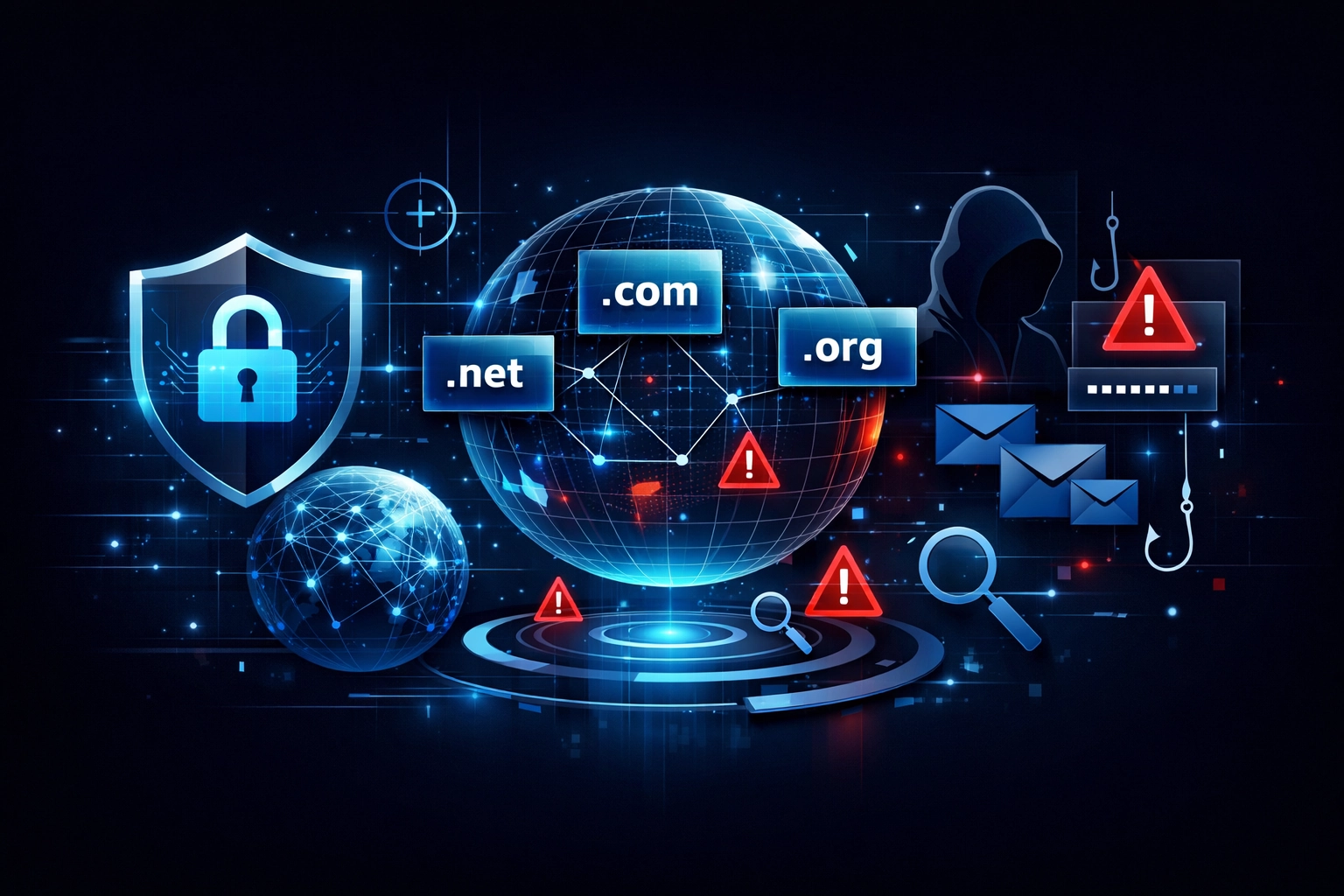
Domain security is transitioning from guarding a single URL to managing a living namespace—your brand Surface. This includes main domains, subdomains, shadow domains, typosquatted variants, homographs, lookalike sites, and even supplier/partner portals. In practice, this means mapping every instance where your brand appears on the web, including country-specific TLDs and regional registrations. A misleading URL can be a malicious doorway to credential harvesting or phishing campaigns, especially when language, locale, or locale-adjacent characters are involved. Experts warn that lookalike and typosquatted domains can bypass traditional defenses, making continued vigilance essential. Cisco highlights how lookalike domains can “bypass traditional defenses” and thereby necessitate broader, more proactive brand protections. (blogs.cisco.com)
Similarly, typosquatting—not merely a nuisance but a real risk for brand integrity—remains persistent across markets and languages. National registries like SIDN emphasize that typosquatting enables domain name fraud and invoice/CEO fraud, underscoring the business case for multilingual and cross-border monitoring. (sidn.nl)
Language and locale as security variables: risks in multilingual Europe
The European digital ecosystem features a mosaic of languages, scripts, and country-specific domains. When brands expand into France, the Netherlands, Belgium, or Germany, attackers target language-adjacent cues—brand names, color schemes, and regional terms—to create convincing impersonations. IDN-related threats (where Unicode characters resemble Latin letters) add another layer of complexity, particularly for audiences in multilingual markets. While the bulk of scholarly and practitioner guidance focuses on DNS infrastructure, the practical takeaway is clear: a language-aware defense requires surface mapping that accounts for locale-specific typos and lookalikes and a readiness to act quickly across jurisdictions. Industry commentary and research emphasize that traditional defenses must evolve to counter domain impersonation at scale in Europe. (blogs.cisco.com)
A 7-stage framework for 24/7, language-aware domain threat governance
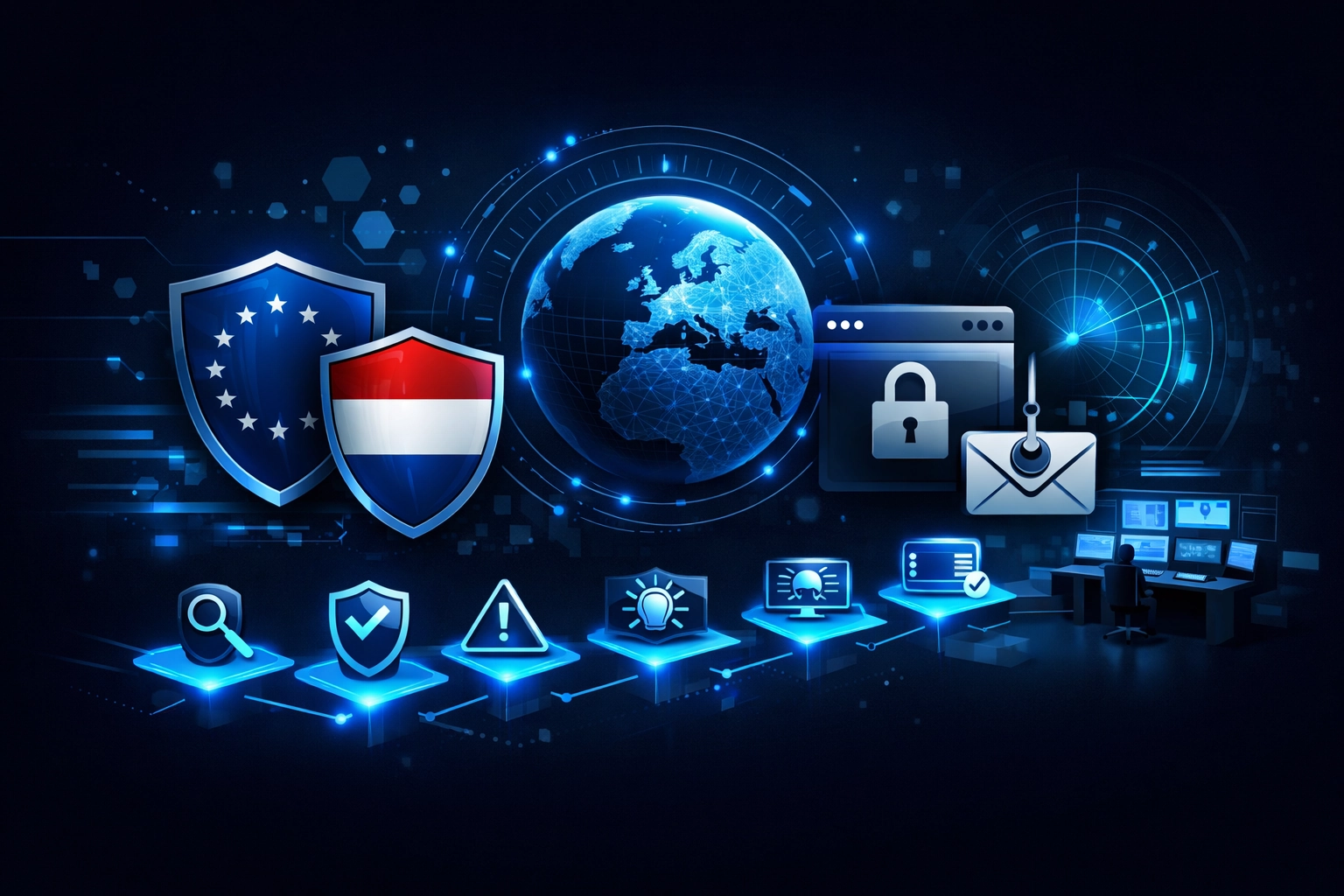
Below is a practical, field-tested playbook that Webasto Cyber Security applies for European brands. It centers on discovery, assessment, monitoring, and rapid takedown—operating around the clock and tuned to language and locale nuances. Each stage builds on the preceding one, ensuring you gain visibility, align with local law, and close gaps faster than attackers can adapt.
Stage 1 — Discovery and inventory: map the full namespace
- Compile a 24/7 inventory of your primary domains, country-specific TLDs, and likely shadow domains (including lookalikes and probable typosquats in FR, NL, GB, DE, and other EU markets).
- Incorporate vendor portals, partner domains, and application-facing domains (APIs, OAuth redirect domains, and OTA-like update endpoints) into a single surface view.
- Use automated RDAP and WHOIS checks to identify newly registered domains that resemble yours, particularly in language-adjacent scripts; learn from authoritative registries to flag suspicious registrations. RDAP & WHOIS Database (client resource).
Stage 2 — Language-aware risk scoring: quantify language and locale risk
- Develop a risk score that weights language proximity, script similarity, and locale relevance (e.g., FR, NL, EN, DE).
- Factor in brand impersonation signals, such as domain registar reputation, hosting quality, TLS certificate authenticity, and DNSSEC status. Industry guidance notes that domain impersonation risk often hinges on how attackers blend in linguistically with local users. (blogs.cisco.com)
- Prioritize incidents that could exploit local trust channels (e.g., local business directories, partner portals, or EU customer onboarding flows).
Stage 3 — Continuous monitoring: watch the surface around the clock
- Establish a 24/7 monitoring capability that flags new registrations, DNS changes, certificate changes, and suspicious subdomain activity related to your brand across EU markets.
- Incorporate threat intelligence feeds that surface impersonation trends and known lookalike domains; combine external signals with internal telemetry for a holistic view. Experts emphasize that advanced threat intelligence improves the ability to detect impersonation early. (upguard.com)
- Automate multilingual keyword monitoring and local market intelligence to catch culturally tuned impersonation tactics before customers are misled.
Stage 4 — Impersonation detection and brand signals: identify the riskiest aliases
- Use visual similarity, domain name similarity, and linguistic cues to detect impersonation opportunities (e.g., homographs and lookalike spellings in related languages).
- Pair lookalike domain detection with certificate and hosting lineage checks; attackers often reuse infrastructure to appear legitimate. Cisco highlights the need for infrastructure intelligence to surface risk indicators in impersonation campaigns. (blogs.cisco.com)
- Prioritize domains that mimic your local brands or partner ecosystems (Dutch and EU contexts tend to have higher risk due to multilingual audiences and cross-border commerce).
Stage 5 — Rapid takedown workflow: fast, lawful, cross-border action
- Define a takedown workflow that accounts for jurisdictional differences within the EU and the Netherlands. A 24/7 model must include incident ownership, escalation paths, and partner API integrations to coordinate across time zones.
- Coordinate with registrars, hosting providers, and certificate authorities to secure return-path control and prevent re-registrations by the same actor. Experts warn that brand impersonation requires swift remediation to protect customer trust. (blogs.cisco.com)
- Maintain an auditable trail of actions for legal teams and regulators; ensure privacy constraints (e.g., GDPR) are respected in takedown operations.
Stage 6 — Post-remediation governance: learn, adapt, and improve metrics
- After takedown, conduct a root-cause review to identify gaps in surface visibility and process. Update the inventory and risk scores to reflect the remediation outcomes.
- Define KPIs such as time-to-detect, time-to-takedown, and rate of reoccurrence to measure program maturity and ROI. This stage ensures the program evolves with changing tactics and locale-specific threats.
- Share learnings across cross-functional teams—security, brand, legal, and IT—to close the loop on governance and policy updates.
Stage 7 — Operational maturity: integrating DNS hygiene and certificate transparency
- Adopt strong DNS hygiene practices—enable DNSSEC where feasible, monitor for unauthorized changes, and validate certificates through Certificate Transparency logs to prevent certificate-based impersonation. Best practice guidance and early research emphasize the importance of DNS security alongside traditional domain defenses. (vercara.digicert.com)
- Enforce a privacy-conscious but aggressive stance on data collection and sharing; hybrid approaches (on-prem and cloud-based) can offer resilience in cross-border operations, provided they comply with GDPR and national laws.
DNS security as the backbone of 24/7 protection
DNS security is not just a defensive layer; it is the backbone of reliable brand presence in the web namespace. Deploying DNSSEC helps prevent certain spoofing attacks and improves trust in brand domains, while DoH/DoT can protect user privacy and reduce leakage that adver- users might misuse during phishing campaigns. However, DNSSEC adoption is not universal; best-practice guides from DigiCert and regional communities show that regular key rollovers, proper chain-of-trust management, and monitoring are essential to avoid service disruption. The EU and European security communities have long advocated for DNS resilience, including DNSSEC adoption and validation as a core component of brand protection strategies. (vercara.digicert.com)
Expert insights and common mistakes to avoid
Expert perspectives converge on a simple truth: defending a brand namespace requires proactive, language-aware, and cross-border capability. A leading lookalike-domain perspective notes that attackers increasingly use infrastructure to appear legitimate, underlining the need for infrastructure intelligence and rapid takedown workflows. This is consistent with the broader industry narrative that 24/7 domain threat operations are a cornerstone of modern brand security, particularly in Europe where cross-language impersonation intersects with regulatory considerations. (blogs.cisco.com)
Common mistakes can undermine the best frameworks. A frequent misstep is overreliance on one-off domain registrations or focusing solely on the primary domain while neglecting subdomains, vendor portals, and regional variants. Another pitfall is underestimating language-specific risk signals; a one-size-fits-all taxonomy can miss local impersonations that exploit linguistic cues. A disciplined program avoids these by maintaining a living inventory, dynamic risk scoring, and a disciplined, 24/7 takedown cadence. A 24/7 governance model is not a luxury—it is a necessity to protect customer trust and ensure brand integrity across EU markets.
Practical integration with Webasto Cyber Security and client resources
Webasto Cyber Security approaches domain surface protection as an integrated service: continuous surface discovery, multilingual signal processing, threat intelligence fusion, and a rapid takedown workflow. The program is designed to align with corporate risk governance and to support a multinational footprint across EU markets. For organizations seeking a country-by-country view of their brand presence, country-specific assessments and inventory tools can complement a global strategy. For reference, the client ecosystem includes access to country and TLD inventories, RDAP & WHOIS databases, and pricing guidance to support decision-making. See the client resource and ecosystem pages for more detail and to explore how you can download country-focused lists and datasets to begin your own mapping exercises: RDAP & WHOIS Database, List of domains by TLD, List of domains by Countries, and Pricing.
Country-focused surface mapping: France, Netherlands, and the United Kingdom
Many European brands tackle surface mapping with a country-centric lens. Practical steps include compiling country-specific domain portfolios, monitoring local market registrations, and aligning takedown workflows with national regulatory expectations. The following long-tail search prompts illustrate how teams operationalize this across markets: "Download list of France (FR) websites", "Download list of Netherlands (NL) websites", and "Download list of United Kingdom (GB) websites". While the exact phraseology is part of a broader SEO and discovery task, these prompts reflect a practical approach to surface visibility in multilingual Europe and are the kind of signals that 24/7 operations can catalog and action. In the Dutch and wider EU context, this localized mapping supports faster identification of risk and more precise takedown decisions.
Limitations and common mistakes (the honest warnings)
- Limitations in jurisdictional reach: Cross-border takedowns can be slowed by differing laws, process requirements, and local authorities. A robust 24/7 program must anticipate these frictions and build cross-border coordination into the workflow.
- Resource intensity: A language-aware, 24/7 governance model requires specialized tooling and dedicated teams; trying to do this with a small, intermittent team often yields partial visibility and delayed responses.
- False positives: Automated discovery can flag many close matches that aren’t real threats. A tiered triage process, combining automated signals with human review, helps avoid wasted effort.
- Overreliance on takedown alone: A disciplined program also emphasizes prevention (DNS hygiene, certificate transparency) and ongoing surface discovery; takedowns solve symptoms but do not prevent new impersonations from appearing. (blogs.cisco.com)
Conclusion: a language-aware, 24/7 approach to European brand protection
In a multilingual European market, credible brand protection is inseparable from language-aware surface visibility and 24/7 operational discipline. The seven-stage framework described here provides a concrete path to map, monitor, and remediate domain threats across France, the Netherlands, the UK, and beyond. DNS hygiene, DNSSEC, and certificate transparency underpin the technical resilience of the program, while threat intelligence and a rapid takedown lifecycle ensure that impersonation attempts are detected and neutralized quickly. For organizations aiming to preserve customer trust—and to protect revenue and partner ecosystems—the language-aware domain surface protection playbook is not optional; it is foundational. The approach aligns with ongoing EU security initiatives and practical, field-tested best practices from industry leaders, including Webasto Cyber Security and its ecosystem of resources. For teams seeking to deepen their capabilities, the next steps involve building a true living inventory of domains, subdomains, and vendor-facing surfaces, and implementing a 24/7 SOC-driven response that can adapt to evolving language- and locale-specific threats.
— Expert note: The risk signals associated with brand impersonation are evolving, and a defensible stance requires both proactive monitoring and a robust takedown workflow coordinated across borders. As industry practitioners emphasize, a holistic strategy that includes infrastructure intelligence, language-aware risk scoring, and rapid remediation is essential for European brands aiming to maintain trust in an increasingly crowded web namespace. (blogs.cisco.com)