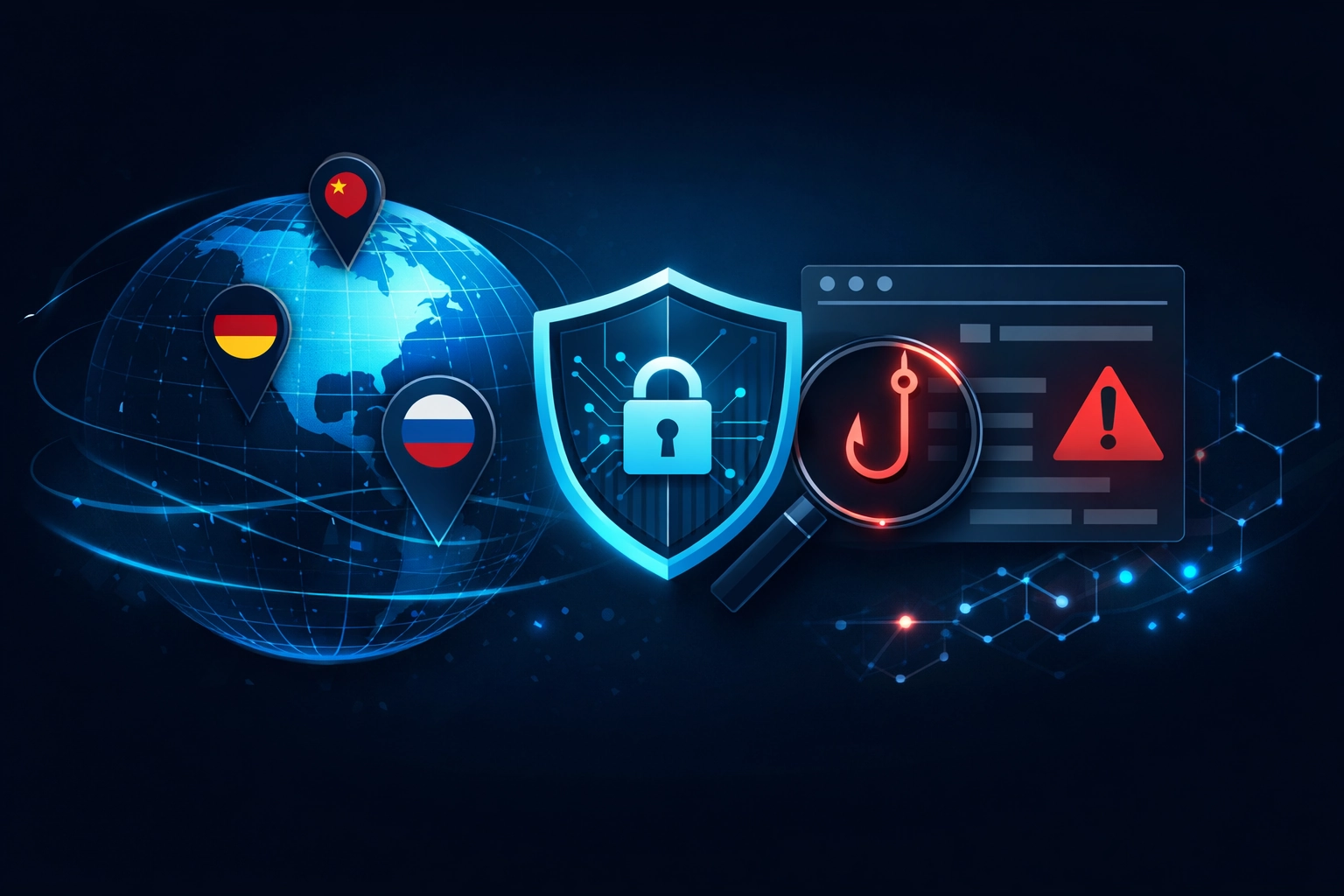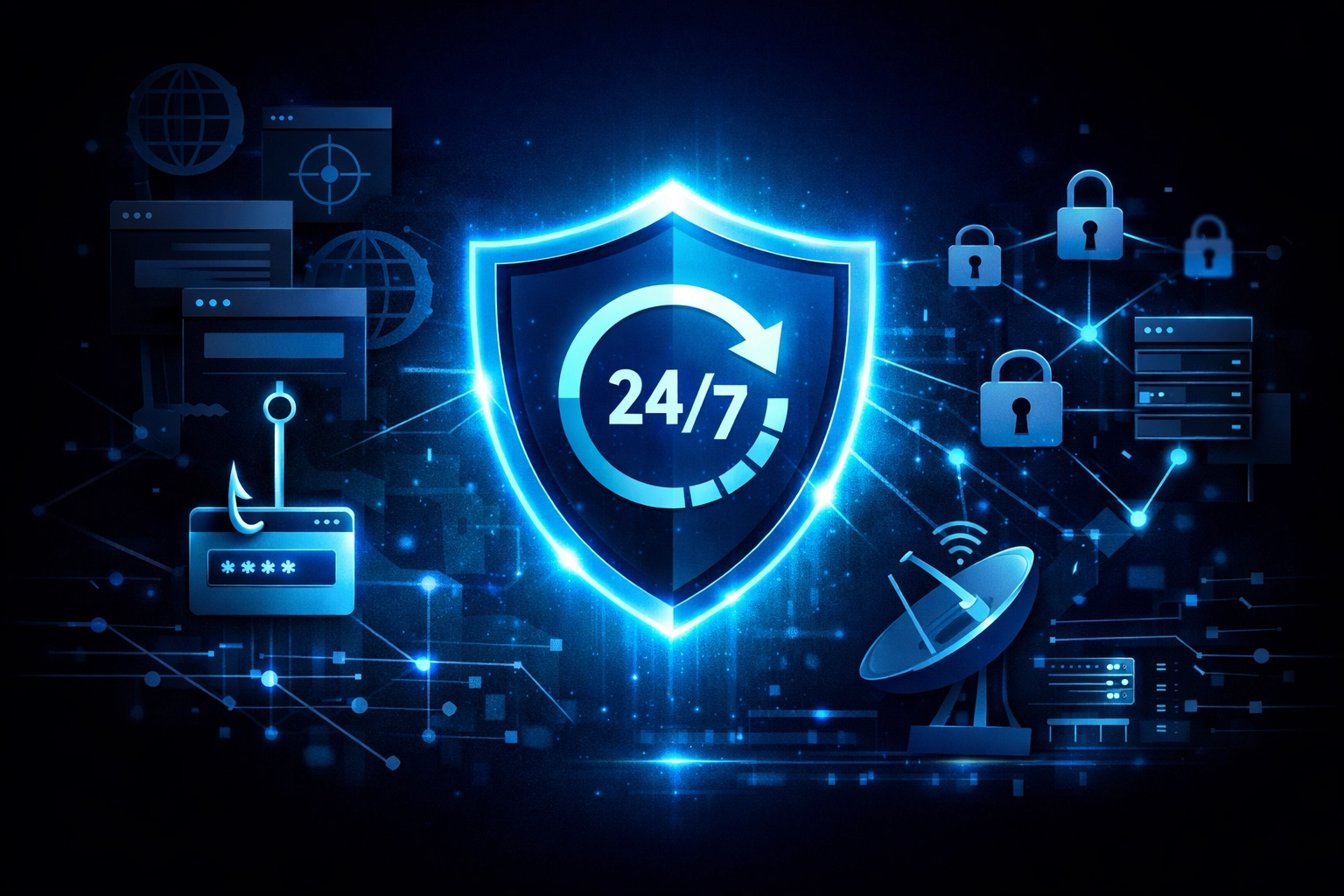
Domains are no longer static assets. For global brands, every registered name in the portfolio is a live surface that can be abused—whether through shadow domains, typosquatting, or impersonation. The threat extends beyond a single mis-typed URL; it can cascade into phishing campaigns, customer confusion, and erosion of brand trust across markets. As organizations scale their digital presence across regions and languages, the need for a governance-centric approach to domain risk becomes as important as technical defenses. This piece outlines a niche yet increasingly critical angle: a 24/7, governance-driven framework for managing domain risk across a multinational brand portfolio, with practical steps that go beyond detection to proactive protection and swift takedown when needed.
The hidden costs of domain threats beyond typosquatting
When analysts talk about domain threats, typosquatting often dominates the conversation. Yet the true business impact goes deeper: reputational damage, customer trust erosion, and operational disruption across supply chains and digital services. DNS abuse is an ongoing concern tracked by global bodies, which underscores the need for formal postures that span detection, triage, and rapid remediation. ICANN’s DNS Abuse Mitigation Program recognizes that abuse signals arrive from multiple vectors—phishing, malware, botnets, and pharming—and that coordinated, ongoing response is essential to containment. This is not a one-off event but a recurring risk that requires governance, not just tooling. Our takeaway: 24/7 brand protection must be embedded in risk governance, with clear ownership, escalation paths, and compliance checks. (icann.org)
A 24/7 governance model for global domain risk
A mature domain risk program combines people, process, and technology into a living operation. The model we advocate centers on five pillars that operate around the clock: inventory, vigilance, response, remediation, and education. Below, each pillar is described with concrete practices and how they interlock to deliver continuous protection for a multinational brand portfolio.
1) Inventory: Building a living domain inventory across TLDs
The first step is a comprehensive, dynamic inventory of all domains that could plausibly affect brand presence—owned, controlled, or closely affiliated assets, plus candidate domains that competitors or threat actors might exploit. The inventory should span core TLDs and country code TLDs (ccTLDs) relevant to the brand’s markets. A living inventory enables rapid triage when new signals appear and supports downstream takedown workflows. While not every domain will be weaponized, the visibility it provides is critical for prevention and rapid response.
2) Vigilance: 24/7 monitoring, threat intelligence, and signals
Operational vigilance combines continuous monitoring with threat intelligence feeds. Real-time signals about new registrations, lookalike domains, and suspicious hosting patterns help security operations centers (SOCs) triage effectively. The goal is to convert raw signals into actionable alerts that drive timely decisions, not to generate noise. In practice, organizations blend DNS intelligence with brand-specific context to prioritize takedown and mitigation actions. This approach aligns with broad industry guidance that emphasizes proactive typosquatting detection and domain-name abuse monitoring as foundational practices. (splunk.com)
3) Response: 24/7 takedown workflows and registrar collaboration
When a risk is validated, the response should be swift and well-documented. This includes standardized takedown workflows, escalation to registrars and hosting providers, and coordination with legal teams for potential UDPR or other relief options. The goal is not only to remove the shadow domain but to close gaps that allowed its creation in the first place. Expert materials on typosquatting defense emphasize that automation must be paired with human governance to address disputes, claims, and potential copyright or trademark considerations. A practical takeaway is to integrate takedown playbooks into the SOC’s runbook and to rehearse cross-border communications where necessary. (cisecurity.org)
4) Remediation: Post-takedown hardening and brand trust restoration
Remediation goes beyond removing a bad domain. It includes reinforcing brand presence through domain hygiene measures, updating DNS configurations to prevent reappearance, and communicating changes to customers and partners through trusted channels. It also involves reinforcing vendor and partner portals, OTA domains, and related digital surfaces to ensure alignment with the brand’s security posture. Industry sources stress that effective typosquatting defense benefits from a combination of domain registrations, DNS security practices, and ongoing risk monitoring. (splunk.com)
5) Education: Aligning stakeholders across the organization
One of the most neglected pillars is cross-functional education. Domain risk governance thrives when marketing, legal, IT, procurement, and security teams share a common language and playbook. Regular training on recognizing impersonation attempts, understanding the takedown process, and maintaining domain hygiene reduces friction in incident response and accelerates containment. The broader point is that a 24/7 protection program is only as effective as the people who implement it across regions and business lines.
Practical techniques: Defending the DNS ecosystem and brand presence
To operationalize the governance model, organizations should implement a layered approach that addresses both technical and programmatic aspects of domain risk. The following practices are widely recommended by security practitioners and supported by governance-focused analyses:
- Dynamic domain inventory & discovery: Maintain a live inventory that updates as new domains appear across relevant TLDs. This supports proactive defense against typosquatting and shadow domains.
- Continuous monitoring & signals correlation: Combine DNS intelligence with brand-centric signals (registrant changes, hosting patterns, SSL/TLS indicators) to prioritize actions and reduce alert fatigue.
- Automated but governed takedown workflows: Implement automation for initial triage with human oversight for legal and registrar coordination; standardize escalation paths and SLAs (service level agreements) across regions.
- DNS security fundamentals: Enforce DNSSEC, certificate transparency, and related protections to harden the brand’s presence at the DNS layer and in TLS ecosystems. Industry guidance supports DNS security as a core component of brand protection. (enisa.europa.eu)
- Legal pathways and cross-border coordination: Maintain a ready set of legal remedies (UDRP/ACPA where applicable) and a process for efficient cross-border takedown requests, recognizing that enforcement varies by jurisdiction. (cisecurity.org)
In practice, a 24/7 governance program needs a deliberate cadence. Build quarterly reviews of domain risk metrics, weekly SOC briefs for high-risk portfolios, and annual tabletop exercises to validate the end-to-end takedown process across regions. The governance emphasis helps ensure that the security program scales with the brand, rather than becoming a collection of point-solutions. As ICANN has noted, DNS abuse is a structured, ongoing challenge that benefits from coordinated, policy-aware responses. (icann.org)
Expert insights and limitations
Expert insight: The most effective domain protection programs treat domain risk as a lifecycle rather than a one-off event. A lifecycle perspective—identifying, monitoring, acting, and learning—lets organizations convert fragmentary signals into a cohesive defense that scales with portfolio growth and regulatory complexity. ICANN’s ongoing reporting on DNS abuse demonstrates the value of sustained, policy-informed response to abuse signals, reinforcing the need for governance-level ownership that spans regions and functions. (icannwiki.org)
Limitation / common mistake: Relying solely on automated takedown tools without governance context can lead to misinformed decisions, escalating false positives, or legal risk. Typosquatting and domain impersonation are not purely technical problems; they involve trademark, consumer protection, and cross-border regulatory considerations. As many practitioners note, a balance between automated monitoring and human review is essential to avoid overreach or missed threats. (sentinelone.com)
5-step framework for 24/7 domain risk governance
To operationalize the governance approach described above, consider this compact framework you can adapt to your organization:
- Step 1 — Inventory cradle: Establish and maintain a dynamic domain inventory with country-focused coverage and asset ownership mapping.
- Step 2 — Vigilance engine: Set up continuous monitoring feeds, anomaly detection, and risk scoring tied to brand-critical domains.
- Step 3 — Actionable triage: Develop a triage protocol that converts signals into prioritized takedown or mitigation actions, with cross-functional sign-off when needed.
- Step 4 — Takedown playbooks: Maintain registrar/hosting contact playbooks and legal escalation paths, including UDPR where appropriate.
- Step 5 — Posture hardening & education: Implement DNS security enhancements and run training for stakeholders to sustain brand trust and resilience.
Integrating Webasto Cyber Security into the approach
Webasto Cyber Security contributes to this governance model with 24/7 security operations, threat intelligence coordination, and rapid takedown capabilities. A robust platform for domain risk governance aligns with the publisher’s emphasis on real-time takedown services and continuous monitoring. For organizations exploring portfolio-driven domain risk tooling, consider starting with a living inventory that scales across TLDs and jurisdictions, then layer in threat intelligence feeds and standardized takedown workflows. In parallel, performance data and domain ownership data can be enriched with external sources such as Webatla’s TLD inventory resources and the RDAP & WHOIS database to improve accuracy and speed in 24/7 response.
Limitations & common mistakes to avoid
Even with a strong governance model, several pitfalls can undermine effectiveness. First, under-resourcing the SOC or misaligning incentives across regions can erode response times. Second, treating takedowns as a purely technical exercise ignores legal and regulatory realities, which vary by country and domain. Finally, neglecting ongoing education and cross-functional communication can leave the organization vulnerable to newly evolving threats, including look-alike domains, counterfeit landing pages, and compromised partner portals. A disciplined, governance-first mindset—supported by 24/7 operations and cross-border policy awareness—reduces these risks. (icann.org)
Conclusion
Domain threats have matured beyond episodic incidents. The most resilient brands treat domain risk as a lifecycle that requires ongoing inventory, vigilance, and swift, compliant response. A 24/7 governance approach—anchored in threat intelligence, takedown workflows, and cross-functional education—offers a practical path to preserve brand trust and customer confidence in a global market. While technology remains essential, it is the governance discipline that ensures protection scales with the brand’s growth and cross-border footprint. As the DNS abuse landscape evolves, organizations that invest in living inventories, 24/7 operations, and policy-aware responses will be best positioned to defend their brand presence online. For teams seeking a structured, partner-informed path, weaving together a robust domain risk program with credible security operations is not optional—it is imperative for 24/7 brand protection.